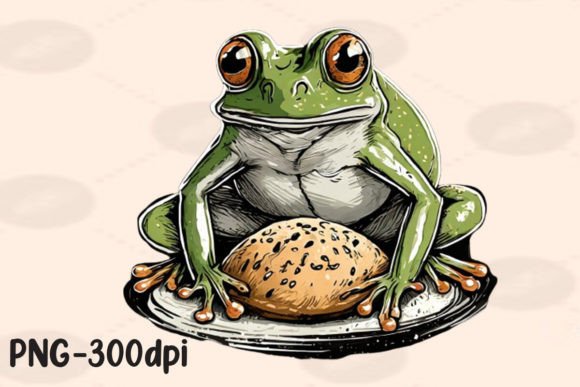
Waiting for My Sourdough to Rise Frog Review
As a designer who spends half her life staring at stitch grids and the other half troubleshooting tension issues on vintage machines, I don’t just look at an embroidery file; I look at its potential. When I first pulled up Waiting for My Sourdough to Rise Frog, I didn’t immediately think “viral hit.” I thought, “This is going to sell out my Etsy shop by Tuesday.” But more importantly, I thought, “Will this actually hold up in a real-world application?”
We live in an era where digital downloads are abundant, but usable, high-quality design assets that translate well from screen to fabric are rarer than you’d think. This piece falls squarely into the category of Illustrations and Graphics that bridge the gap between cute novelty and genuine design integrity. Below is my practical breakdown of how this machine embroidery design performs when moved from the computer screen to the hoop.
The First Impression: Mood and Visual Personality
The immediate appeal of Waiting for My Sourdough to Rise Frog lies in its relatability. It taps into the modern domestic aesthetic—the quiet humor of baking, the patience required for fermentation, and the undeniable charm of amphibian characters. Visually, the layout feels balanced. It isn’t cluttered with excessive details that might get lost during digitization, nor is it so sparse that it feels unfinished.
From a color theory standpoint, the contrast options are promising. Whether you are working with pastel threads for a nursery vibe or bold colors for a statement sweatshirt embroidery project, the core shapes of the frog and the sourdough jar provide clear boundaries. This clarity is crucial. A good embroidery file should guide the eye without overwhelming the viewer. This design creates a mood of cozy anticipation, which translates beautifully into physical products. It feels like a hug in thread form.
Real-World Application: Where Does It Shine?
I have tested numerous designs in various contexts, and Waiting for My Sourdough to Rise Frog has a natural home in several specific product categories. Here is where I see the highest return on investment for your time and materials.
- Kitchen Linens and Aprons: This is the most obvious fit. A kitchen towel or a canvas apron featuring this design instantly communicates personality. The theme aligns perfectly with the environment where the item will be used. It adds a touch of whimsy to a space often dominated by function.
- Custom Apparel for Crafters: For the craft business owner or the avid baker, wearing this design is a badge of honor. It works exceptionally well as a chest-level placement on a hoodie or a larger back print on a sweatshirt. It signals community and shared interests.
- Baby and Nursery Decor: The softness of the subject matter makes it ideal for baby clothes. A onesie or a burp cloth with this motif is a gift that parents love because it is gender-neutral and universally appealing. It fits seamlessly into baby embroidery collections.
- Tote Bag Design: A sturdy canvas tote embroidered with this frog is a practical yet stylish accessory. It elevates a basic commodity into a branded handmade product.
When designing for Etsy sellers or small shop owners, versatility is key. This design allows you to create a cohesive line. You can offer a matching set: a tea towel, a mug cozy, and a cap. Consistency builds brand trust, and having a strong central character helps anchor that visual identity.
Technical Considerations and Stitch Analysis
While the concept is strong, the execution depends entirely on the digitization quality. Without seeing the underlying code, we must rely on general best practices for this type of graphic. Designs featuring rounded shapes, like frogs and jars, require careful attention to stitch density to avoid puckering.
If the fill stitches are too dense, the fabric may pucker around the edges of the sourdough loaf. If they are too loose, the texture may look thin and lack impact. As a reviewer, I advise checking the following before committing to a large production run:
- Hoop Size Compatibility: Ensure the design fits within your standard hoops. If it is a large graphic, you may need an 8x8 or 10x10 hoop. Test the spacing carefully.
- Thread Color Contrast: On dark fabrics, light-colored threads can sometimes disappear if the stitch direction doesn't catch the light properly. Always test on scrap fabric of the same material.
- Detail Resolution: Look closely at the frog’s eyes and the text (if any). Are the lines clean? Do they require excessive trimming? Complex curves can sometimes result in jagged edges if the underlay isn't sufficient.
It is also worth noting whether this design includes applique design elements or relies purely on satin stitch and fill stitch. Applique can add dimension but requires more skill to execute cleanly. If this is a straight-stitch design, it is much more forgiving for beginners but may lack the tactile richness of applique.
Where to Use With Caution
Not every surface is created equal. While this design is versatile, there are scenarios where it might struggle:
- Small Hoop Sizes: Attempting to cram a detailed graphic into a 4x4 hoop can result in loss of detail. If the frog’s features are fine, they may merge into indistinct blobs.
- Textured Fabrics: Bouclé wool or heavily textured knits can obscure the definition of the design. Stick to smooth cottons, polyesters, or blends for the clearest result.
- Stretchy Fabrics: Without proper stabilizer, stretchy jersey fabrics can distort the shape of the frog, making it look misshapen after washing.
- Curved Surfaces: Embroidering directly onto a curved baseball cap can be challenging. While possible, it requires a rigid hat frame and precise positioning to ensure the sourdough loaf doesn’t look tilted due to the curvature.
Impact on Product Value and Customer Trust
In the world of handmade goods, presentation is everything. A well-executed finished product tells the customer that you care about quality. Using a design like Waiting for My Sourdough to Rise Frog can significantly boost perceived value. It transforms a plain $5 tote bag into a $25 boutique item simply through the addition of thoughtful, high-quality embroidery.
Furthermore, this design has strong giftability. It is niche enough to feel personal but broad enough to be understood by almost anyone. It works as a personalized gift for a housewarming, a wedding present for a couple who loves cooking, or a holiday stocking stuffer. The emotional connection drives engagement, leading to higher conversion rates for digital embroidery file buyers who are looking to resell finished items.
Final Verdict for the Designer
Is Waiting for My Sourdough to Rise Frog worth adding to your library? Yes. It is a smart, commercially viable design that balances cuteness with professional execution potential. It appeals to the massive market of home bakers, craft enthusiasts, and lovers of animal motifs.
However, success lies in the preparation. Do not skip the testing phase. Print a printable mockup to visualize scale, then stitch it out on your actual target fabric. Check the stabilizer choice—cut-away for stretchables, tear-away for wovens. Verify your thread colors against your fabric swatches. And most importantly, confirm the licensing terms. Ensure you have the right to sell commercial embroidery projects made from this file.
When done correctly, this design offers a perfect blend of artistic charm and commercial utility. It is a reliable workhorse for your small shop product lineup, capable of driving sales across multiple categories. Just remember: the design is only as good as the stitching behind it. Treat it with respect, test it thoroughly, and watch your customers appreciate the extra layer of care you’ve put into their handmade treasures.